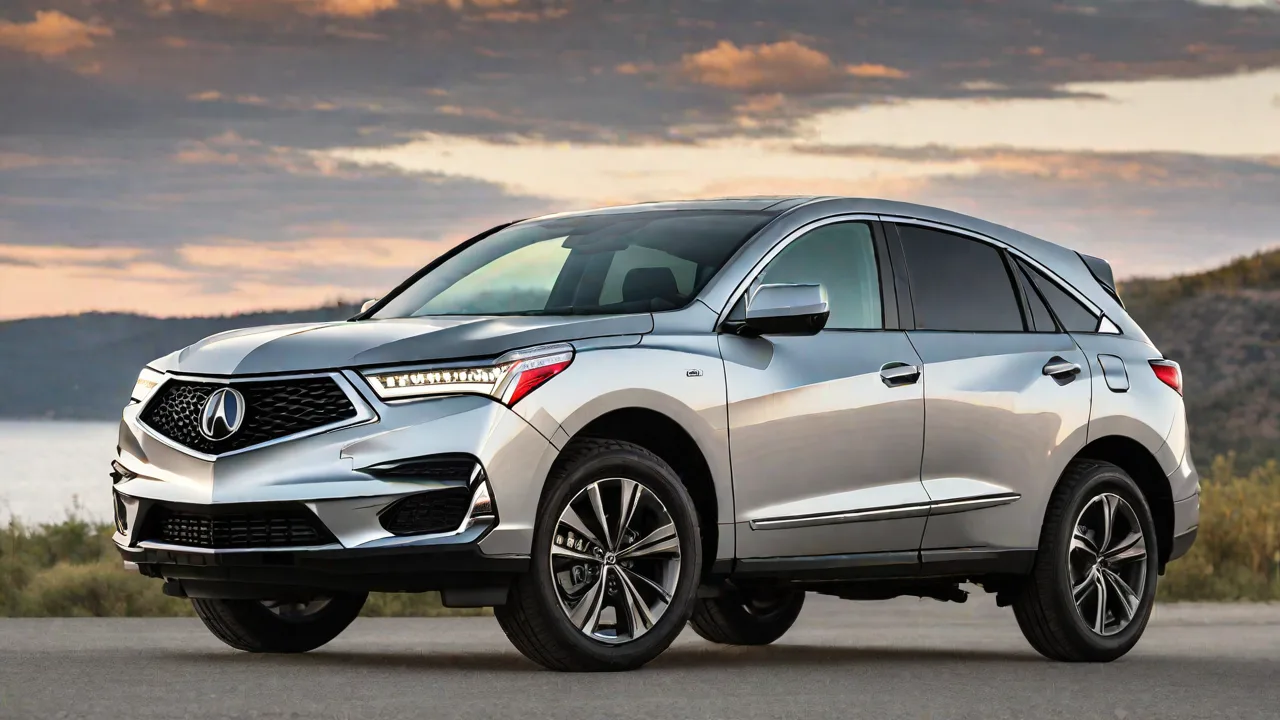
Everyday Acura’s Guide to Balancing Comfort and Sport Performance in the Acura RDX’s Adaptive Suspension
The Acura RDX has earned a reputation for skillfully merging sporty, dynamic handling with the comfort expected in a luxury crossover SUV. Central to this exceptional balance is its advanced adaptive suspension system, a technology that continuously fine-tunes the shock absorbers to deliver an ideal blend of smoothness and precision. Whether navigating city streets, cruising on the highway, or tackling winding back roads, the RDX’s adaptive suspension adapts in real time to ensure both a comfortable ride and engaging driving dynamics.
Understanding the Adaptive Suspension System in the Acura RDX
The adaptive suspension system in the Acura RDX represents a significant leap beyond traditional fixed suspension setups. Instead of relying on preset shock absorber stiffness, this system dynamically adjusts damping forces by monitoring multiple inputs from the vehicle and its environment. This real-time responsiveness allows the suspension to soften for comfort when conditions warrant it and firm up instantly for enhanced control during spirited driving.
Core Components and Technology
The heart of the adaptive suspension system is a network of sensors and electronically controlled dampers integrated into each wheel’s suspension assembly. Key elements include:
- Accelerometers and Wheel Speed Sensors: These detect vibrations, bumps, and road surface variations to gauge terrain roughness.
- Steering Angle and Vehicle Yaw Sensors: These measure the driver’s steering input and the vehicle’s rotational movement to understand cornering dynamics.
- Electronic Control Unit (ECU): This onboard computer processes data from all sensors and calculates the optimal damping settings to balance ride quality and handling.
- Magnetorheological Dampers: In some variants, the RDX uses magnetorheological fluid-filled dampers whose viscosity changes under a magnetic field, enabling near-instantaneous adjustments to suspension firmness.
By continuously interpreting this data, the system can make subtle or significant adjustments to the suspension stiffness in milliseconds, tailoring the driving experience to current conditions and driver demands.
Driving Modes Tailored to Your Needs
The Acura RDX offers multiple selectable driving modes that influence the adaptive suspension’s behavior, allowing drivers to prioritize comfort, sportiness, or a dynamic balance. These include:
- Comfort Mode: This setting softens the suspension to absorb road imperfections and reduce vibrations, making it ideal for urban commuting, highway cruising, or long-distance travel. It minimizes harshness without sacrificing control, ensuring passengers enjoy a relaxed ride.
- Sport Mode: Engaging Sport Mode firms up the dampers, reducing body roll and enhancing steering precision. This mode is perfect for drivers who want a more connected feel to the road during spirited drives on twisty roads or when quick response is needed.
- Sport+ Mode: The most aggressive setting, Sport+ maximizes stiffness and sharpens throttle response and transmission mapping alongside suspension tuning. It is designed for drivers seeking track-capable performance and maximum engagement, allowing the RDX to handle high-speed cornering and sudden maneuvers with confidence.
Transitioning between these modes is effortless, often achievable through a simple dial or button on the center console, enabling drivers to adapt the vehicle’s character on the fly without interrupting their focus on the road.
The Benefits of Adaptive Suspension in Everyday Driving and Performance
The RDX’s adaptive suspension system delivers a wide range of benefits that elevate the overall driving experience, making it stand out in the competitive luxury compact SUV segment.
1. Superior Ride Comfort
Adaptive suspension ensures a consistently smooth ride regardless of road conditions. By softening the dampers over potholes, rough asphalt, or uneven terrain, the system reduces jolts and vibrations transmitted to the cabin. This is particularly valuable during daily commutes or long highway journeys where comfort is paramount. Passengers benefit from reduced fatigue and enhanced enjoyment, making even extended trips more pleasant.
2. Enhanced Handling and Responsiveness
When the driver demands sportier performance, the adaptive suspension stiffens the dampers to minimize body roll, pitch, and dive. This translates into sharper cornering, more precise steering feedback, and improved stability during rapid lane changes or emergency maneuvers. The system’s ability to adjust in real-time means it can offer firm handling without the harshness typical of fixed stiff suspensions, preserving comfort when the sportiness isn’t needed.
3. Increased Safety and Stability
Maintaining consistent tire contact with the road surface is critical for traction and braking performance. Adaptive damping helps keep the tires planted by controlling suspension movement, particularly over uneven surfaces or during aggressive driving. This improves vehicle stability, reduces the risk of skidding, and enhances overall driver confidence in varied driving scenarios.
4. Personalized Driving Experience
The combination of multiple driving modes and the system’s responsiveness enables drivers to customize the RDX’s ride and handling characteristics to suit their preferences or changing conditions. Whether navigating congested city streets, cruising on the highway, or pushing the vehicle to its limits on a winding road or track, the adaptive suspension provides the flexibility to dial in the ideal balance of comfort and performance.
Comparisons to Traditional Suspension Systems
To fully appreciate the advantages of the Acura RDX’s adaptive suspension, it helps to understand how it compares to conventional fixed suspensions.
- Fixed Suspension: Traditional setups use springs and dampers calibrated for a compromise between comfort and handling. Once tuned, their characteristics are static, meaning they cannot adapt to changing road or driving conditions. This often results in either a too-firm ride that sacrifices comfort or a too-soft setup that limits dynamic capability.
- Adaptive Suspension: By contrast, adaptive systems like that in the RDX actively modify damping forces on the fly, delivering softness when needed and firmness when demanded. This adaptability offers a unique blend of ride quality and driving excitement that fixed systems cannot match.
Real-World Driving Scenarios Showcasing the RDX’s Adaptive Suspension
To better illustrate how the adaptive suspension enhances the driving experience, consider these common scenarios:
Urban Commuting
In stop-and-go traffic or over city potholes and speed bumps, Comfort Mode softens the suspension to absorb imperfections, reducing cabin noise and vibrations. This helps drivers and passengers remain relaxed and focused despite challenging surface conditions.
Weekend Road Trips
On long highway stretches, the adaptive suspension maintains a smooth, stable ride that reduces fatigue. It also automatically adjusts to crosswinds or uneven pavement, enhancing stability without driver intervention.
Winding Back Roads
Switching to Sport Mode before entering twisty roads firms up the suspension, reducing body roll and increasing feedback. Drivers experience greater confidence and control, allowing them to enjoy the RDX’s athletic capabilities while still benefiting from a comfortable ride.
Track Days and High-Performance Driving
For enthusiasts taking their RDX to the track or engaging in spirited driving, Sport+ Mode provides maximum damping stiffness and sharpens throttle and transmission responses. This setting extracts the most dynamic performance from the vehicle, making the RDX competitive with sportier crossovers while retaining daily usability.
Maintenance and Longevity of the Adaptive Suspension System
While the adaptive suspension system adds complexity, Acura has engineered it for durability and minimal maintenance. However, to ensure optimal performance over the vehicle’s lifespan, owners should consider the following:
- Regular Inspections: Have the suspension components and electronic controls inspected periodically by certified Acura technicians, especially if unusual noises or changes in ride quality occur.
- Software Updates: Acura occasionally releases updates to the vehicle’s ECU and adaptive suspension software to improve responsiveness and address any issues. Keeping your vehicle’s software current ensures the system operates at peak performance.
- Shock Absorber Service: Over time, dampers can wear or leak fluid, which may degrade adaptive suspension function. Replacements or rebuilds should be done using genuine Acura parts to maintain system integrity.
The Future of Adaptive Suspension in Acura Vehicles
Acura continues to invest in advanced suspension technologies that enhance both comfort and performance. The adaptive suspension in the RDX is just one example of how the brand integrates cutting-edge engineering to elevate driving enjoyment. Future iterations may incorporate even more sophisticated sensors, predictive algorithms, and integration with other vehicle systems such as active aerodynamics and advanced driver-assist technologies to further refine ride quality and handling precision.
Conclusion
The Acura RDX’s adaptive suspension system is a cornerstone of its ability to seamlessly blend comfort and sport performance. By intelligently adjusting ride firmness on the fly, it provides a versatile driving experience tailored to a wide range of conditions and driver preferences. Whether you prioritize plush comfort for daily commutes or crave the sharp handling of a spirited drive, the adaptive suspension ensures the RDX delivers on both fronts. Understanding how this system works and taking advantage of its multiple driving modes empowers drivers to fully enjoy the luxury, performance, and refinement that define the Acura RDX.