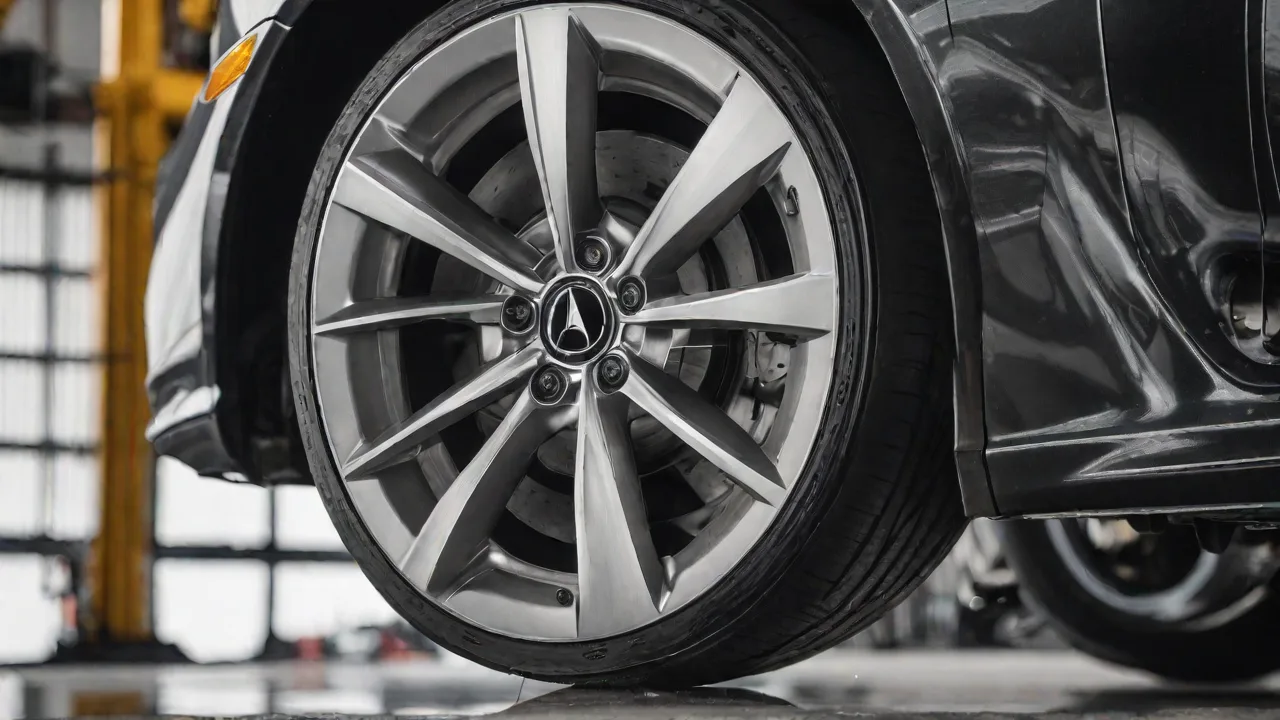
Everyday Acura’s Tips for Maintaining High-Performance Brake Rotors on the Acura TLX
Maintaining high-performance brake rotors on your Acura TLX is crucial for preserving optimal stopping power, enhancing safety, and ensuring a confident driving experience—especially if you frequently engage in spirited driving or participate in track days. High-performance rotors are engineered to withstand greater heat and stress than standard components, but they still require diligent care to perform at their best and to avoid premature wear or failure. Proper maintenance not only extends the lifespan of your rotors but also maximizes overall braking efficiency, contributing to safer, more predictable vehicle control in all conditions.
Understanding the Role of Brake Rotors in Your Acura TLX
Brake rotors, also known as brake discs, are a fundamental component of your vehicle’s disc brake system. When you press the brake pedal, brake pads clamp down on the rotors to create the friction necessary to slow and stop your vehicle. High-performance rotors are typically crafted from specialized materials or feature unique designs—such as drilled holes or slotted grooves—that improve heat dissipation, reduce brake fade, and increase wet-weather performance.
For the Acura TLX, a luxury sports sedan known for its blend of performance and comfort, maintaining the integrity and efficiency of high-performance rotors is paramount. This vehicle’s braking system is calibrated to complement its powerful engine options and agile handling, meaning any degradation in rotor condition can significantly impact driving dynamics and safety.
Identifying Signs Your Brake Rotors Need Attention
Recognizing early symptoms of rotor wear or damage can prevent more serious issues and costly repairs. Here are common indicators that your Acura TLX’s brake rotors may require inspection or maintenance:
- Vibrations or Pulsations When Braking: If you feel a rhythmic shaking or pulsation in the brake pedal or steering wheel during braking, it often signals rotor warping or uneven thickness.
- Visible Grooves, Scoring, or Cracks: Inspect your rotors for deep grooves, scoring marks, or cracks on the surface. These imperfections compromise braking efficiency and can lead to rotor failure.
- Increased Stopping Distances or Brake Fade: If your TLX takes longer to stop than usual or if the brakes feel less responsive after repeated use, rotor overheating or glazing may be the cause.
- Unusual Noises: Squealing, grinding, or scraping sounds during braking often indicate rotor surface damage or worn brake pads impacting the rotor.
- Uneven Pad Wear: Uneven wear patterns on brake pads can point to rotor surface irregularities or caliper issues affecting pad contact.
Addressing these symptoms promptly can help prevent further damage, maintain brake system reliability, and avoid expensive rotor or caliper replacements.
Everyday Acura’s Comprehensive Tips for Maintaining High-Performance Brake Rotors
Proper maintenance of your Acura TLX’s high-performance rotors involves a combination of regular inspections, careful driving habits, and the use of quality components. Below are detailed tips to help you maximize your braking system’s lifespan and performance:
1. Schedule Regular Inspections and Maintenance
Brake rotors should be inspected at least every 10,000 miles or during routine service intervals such as oil changes or tire rotations. During inspections, technicians will check rotor thickness, surface condition, and runout (rotor wobble). Maintaining rotor thickness above the manufacturer’s minimum specification is essential to avoid brake fade and maintain structural integrity.
Your Acura TLX owner’s manual provides specifications for minimum rotor thickness. If rotors are worn below this threshold or exhibit warping, replacement or resurfacing (turning) may be necessary. Resurfacing restores a smooth braking surface but can only be performed if sufficient rotor thickness remains.
2. Follow Proper Bedding-In Procedures After Installing New Rotors or Pads
“Bedding-in” is the process of breaking in new brake components to establish an even transfer layer of pad material on the rotor surface. This ensures uniform friction and prevents uneven wear or brake judder. Acura recommends a specific bedding procedure after installing new rotors or pads, which typically involves several moderate stops from moderate speeds to gradually heat up the brakes without overheating.
Skipping or improperly performing bedding-in can result in premature rotor glazing, uneven pad deposits, and reduced braking performance. Always refer to the brake pad manufacturer’s guidelines and Acura’s recommendations for the most effective bedding techniques for your TLX.
3. Keep Rotors Clean and Free of Contaminants
Brake rotors can accumulate dirt, brake dust, road grime, and oils that reduce friction and degrade braking efficiency. To maintain optimal performance:
- Use a dedicated brake cleaner spray to remove surface contaminants during routine maintenance or rotor replacement.
- Avoid touching the rotor braking surface with oily or greasy hands, as residue can cause uneven pad transfer and noise.
- After cleaning, allow rotors to dry completely before driving to prevent brake grabbing or noise.
Regular cleaning also helps you spot early signs of rotor damage such as cracks or corrosion.
4. Manage Heat and Avoid Overheating During Aggressive Driving
High-performance rotors on the Acura TLX are designed to handle elevated temperatures generated during spirited driving or track use. However, excessive heat buildup can cause rotor warping, glazing, or cracking, leading to diminished braking performance and costly repairs.
To minimize overheating:
- Allow your brakes to cool down during extended track sessions by driving cautiously between hard braking zones.
- Avoid riding the brakes downhill; instead, use engine braking to reduce heat buildup.
- Consider upgrading to rotors with enhanced cooling features, such as vented designs or directional vanes, if you frequently engage in track driving.
- Use brake pads formulated for high-temperature performance to complement your rotors’ capabilities.
5. Use High-Quality Brake Components Tailored to Your Acura TLX
Investing in premium brake pads and rotors designed specifically for the Acura TLX ensures compatibility, durability, and optimal performance. OEM or reputable aftermarket parts undergo rigorous testing to meet or exceed factory specifications.
When selecting brake pads, consider your driving style and conditions:
- Street Driving: Choose pads optimized for low noise, minimal dust, and smooth modulation.
- Performance/Track Use: Opt for high-friction, heat-resistant compounds that maintain effectiveness under extreme conditions.
- All-Weather: Select pads designed to perform well in wet or cold environments.
Matching the right pads with your rotors maintains balanced braking characteristics and extends rotor life.
Additional Maintenance Considerations for Acura TLX Brake Rotors
Monitoring Rotor Thickness and Runout
Consistent measurement of rotor thickness with a micrometer ensures rotors remain within safe operating limits. Uneven rotor thickness, known as thickness variation, can cause brake pedal pulsations and uneven pad wear. Runout measurements detect rotor wobble that leads to vibration during braking.
If measurements reveal excessive wear or runout beyond Acura’s specifications, resurfacing or replacement is necessary. Many service centers offer rotor turning services, but this should only be done if sufficient material remains to maintain structural strength.
Inspecting Brake Calipers and Hardware
The condition of calipers, pads, and mounting hardware directly affects rotor health. Sticking or malfunctioning calipers can cause uneven pad contact, leading to hot spots and rotor damage. Regularly check caliper piston movement, slide pins, and hardware for proper operation and lubrication.
Brake Fluid Maintenance
Though brake fluid does not directly impact rotor condition, maintaining clean, fresh brake fluid is vital for overall brake system performance. Contaminated or degraded fluid can cause inconsistent brake pedal feel and reduce system effectiveness, indirectly contributing to accelerated rotor wear due to inconsistent pad engagement.
Upgrading Your Acura TLX Brake System for Enhanced Performance
If you find yourself regularly pushing your Acura TLX to its limits, such as on track days or spirited mountain drives, upgrading your brake system can provide significant benefits in rotor longevity and braking performance:
- Slotted or Drilled Rotors: These designs improve heat dissipation and water evacuation, reducing brake fade and improving wet weather braking.
- Performance Brake Pads: High-friction compounds that resist fade and maintain consistent bite at elevated temperatures.
- Upgraded Calipers: Multi-piston calipers offer more even pad pressure across the rotor surface, improving braking force and pad wear.
- Stainless Steel Braided Brake Lines: These reduce brake pedal flex, delivering a firmer, more consistent brake feel.
When upgrading, ensure parts are compatible with your TLX’s braking system specifications and consult with a qualified technician to select the best components for your driving needs.
Conclusion
Maintaining high-performance brake rotors on your Acura TLX is essential for ensuring safe, reliable, and consistent braking performance, whether you’re navigating daily commutes or pushing the limits on a track day. By recognizing early warning signs, adhering to regular inspection schedules, performing proper bedding-in procedures, keeping components clean, managing heat, and using quality parts, you can significantly extend the life of your rotors and maintain the exceptional braking characteristics your TLX is designed to deliver.
For Acura enthusiasts who demand the best from their vehicles, thoughtful maintenance of the brake system not only protects your investment but also enhances your driving confidence and enjoyment. Always consult your Acura TLX owner’s manual and trusted automotive professionals when performing brake maintenance or upgrades to ensure optimal results and safety.