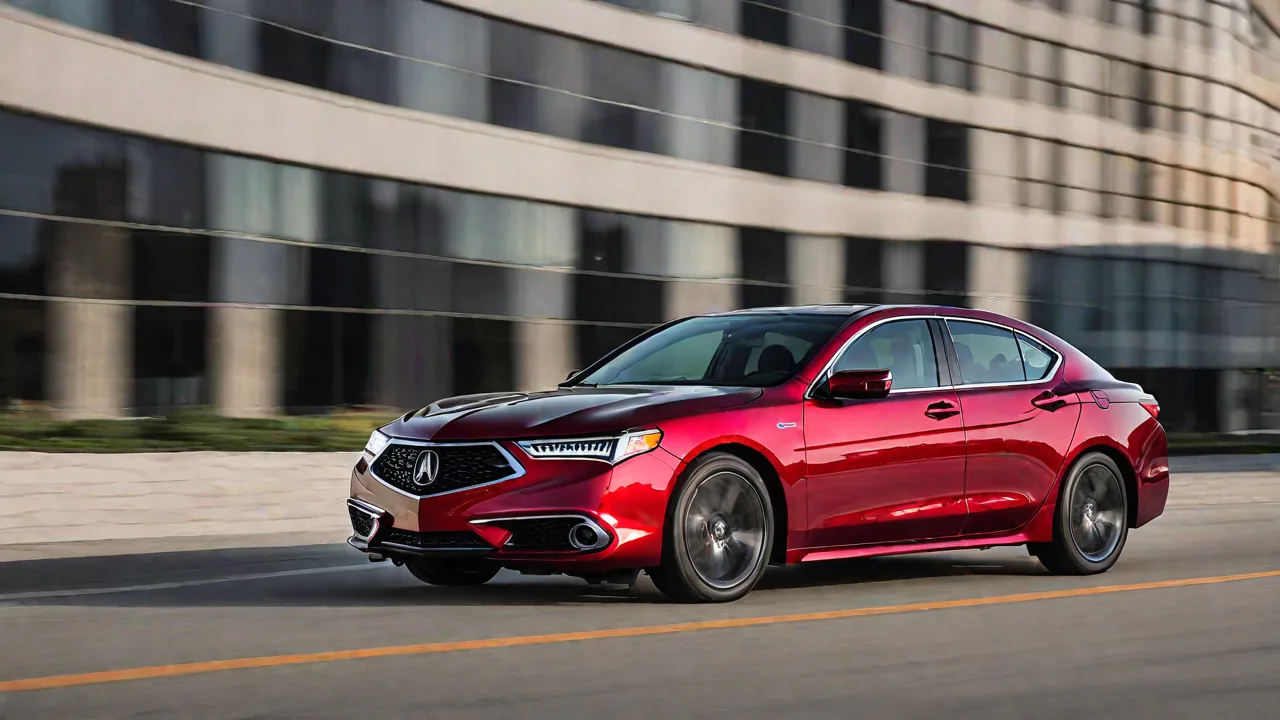
How to Calibrate Acura TLX Sedan Lane Keeping Assist Sensors
The Acura TLX Sedan is equipped with a sophisticated Lane Keeping Assist System (LKAS) designed to enhance driver safety by actively helping to keep the vehicle centered within its lane. This advanced technology relies on cameras and sensors to monitor lane markings and provide gentle steering inputs when the vehicle begins to drift unintentionally. However, for the LKAS to function optimally, its sensors must be properly calibrated. Calibration ensures the system accurately reads lane lines and environmental conditions, enabling timely and effective intervention. Over time, or following certain vehicle repairs, these sensors may require recalibration to maintain peak performance.
Understanding the Lane Keeping Assist System on the Acura TLX
The LKAS on the Acura TLX uses a forward-facing camera typically mounted near the rearview mirror inside the windshield. This camera detects lane boundaries by identifying painted lane lines on the road. When the system determines that the vehicle is unintentionally drifting out of its lane without turn signal activation, it provides subtle steering assistance to guide the car back into the center of the lane. The system is designed to reduce driver fatigue and enhance safety, particularly on highways and long drives.
Since the LKAS depends heavily on accurate sensor data, any misalignment or obstruction can cause the system to malfunction or provide incorrect warnings. Therefore, sensor calibration is an essential aspect of maintaining the system’s reliability.
Common Scenarios That Require LKAS Sensor Calibration
Calibration of the LKAS sensors is generally needed under the following circumstances:
- Windshield Replacement: The camera is mounted on or near the windshield, so replacing the windshield can alter the camera’s position or angle, necessitating recalibration.
- Front-End Collision or Repairs: Any impact or repairs involving the front bumper, hood, or components near the camera may shift sensor alignment.
- Camera or Sensor Replacement: Replacing or servicing the camera or related sensors requires recalibration to ensure proper functioning.
- Erratic LKAS Behavior: If you notice inconsistent or false lane departure warnings, or if the system fails to provide assistance when expected, it may indicate calibration issues.
- Software Updates: Occasionally, software updates to the vehicle’s electronic systems may require recalibration procedures to be completed.
Regular diagnostic checks during routine maintenance can help detect sensor misalignment before it impacts system performance. Ensuring the LKAS is properly calibrated contributes significantly to your Acura TLX’s overall safety.
Preparing for the Calibration Process
Before initiating the LKAS sensor calibration, certain preparations will help ensure a smooth and accurate procedure:
- Choose an Appropriate Location: Select a flat, level surface with clear, well-defined lane markings or painted lines. A wide, straight section of road or a large parking lot is ideal.
- Ensure Good Lighting Conditions: Calibration works best during daylight or in well-lit environments. Avoid performing calibration at night or during heavy rain, fog, or snow, as poor visibility can affect sensor readings.
- Clean the Windshield: Remove any dirt, debris, or stickers near the camera area on the windshield to prevent interference.
- Verify Tire Pressure and Vehicle Condition: Proper tire inflation and a stable vehicle stance help maintain sensor alignment during calibration.
- Deactivate Certain Accessories: Turn off windshield wipers, headlights on automatic mode, or any other systems that might interfere with sensor detection during the process.
Step-by-Step Guide to Calibrating the Acura TLX Lane Keeping Assist Sensors
While the exact procedure may vary slightly depending on your TLX model year and infotainment system version, the general steps to calibrate the LKAS sensors are as follows:
- Park Your Vehicle: Position your Acura TLX on a level surface with clear lane markings. Ensure the vehicle is stationary and the parking brake is engaged.
- Turn on the Ignition: Switch the ignition to the ON position without starting the engine. This activates the vehicle’s electronic systems without engaging the drivetrain.
- Access the LKAS Calibration Mode: Using the vehicle’s infotainment touchscreen or instrument cluster controls, navigate through the settings menu to locate the driver assistance or safety systems section. Consult your owner’s manual for the exact menu path, as it may differ by model year.
- Initiate Calibration: Select the option to calibrate the Lane Keeping Assist System. The system will prompt you with instructions and may request you to press the brake pedal or confirm your readiness.
- Drive Slowly in a Straight Line: Following the on-screen prompts, drive your TLX slowly (usually under 15 mph or 25 km/h) along a straight road segment or parking lane with clearly visible lane markings. Maintaining a straight path helps the camera accurately detect and record lane boundaries.
- Wait for Confirmation: The system will process the sensor data and notify you when calibration is complete. This may take several minutes depending on conditions.
- Test the System: After calibration, test the LKAS by driving in a lane with clear markings to verify that lane assist warnings and steering aids function correctly.
It is important to follow the instructions carefully and avoid abrupt turns or stops during calibration, as this can affect accuracy.
Troubleshooting Common Calibration Issues
While many Acura TLX owners can perform sensor calibration independently, some challenges may arise. Here are common issues and how to address them:
- Calibration Fails to Start: Ensure the ignition is in the correct mode and that you are following the exact menu options. If the system does not enter calibration mode, a software reset or dealer intervention may be necessary.
- Sensor Does Not Calibrate Properly: Poor lighting, unclear lane markings, or an uneven surface can cause calibration failure. Relocate to a better environment and try again.
- False or Erratic LKAS Alerts Persist: Check the windshield for obstructions or damage near the camera. Consult a technician if issues persist after recalibration.
- Calibration Process Aborts Unexpectedly: Ensure the vehicle speed is within the recommended limits and that you maintain a steady, straight path during calibration.
If problems continue despite troubleshooting, it is recommended to visit an authorized Acura service center. Professional technicians have access to specialized diagnostic tools and equipment to perform precise calibration and sensor alignment.
Professional Calibration at Acura Service Centers
Authorized Acura dealerships and service centers are equipped with factory-grade calibration tools specifically designed for the TLX's LKAS sensors. When you bring your vehicle in for calibration, technicians will:
- Conduct a thorough diagnostic scan to check for any sensor faults or error codes.
- Use precision alignment equipment to correctly position the camera and sensors.
- Perform software updates if necessary to ensure the latest system improvements.
- Conduct a road test to verify system functionality and accuracy after calibration.
Professional calibration guarantees that your Lane Keeping Assist System operates within manufacturer specifications, providing the highest level of safety and reliability.
Maintaining Your Acura TLX Lane Keeping Assist System
To keep your LKAS sensors functioning optimally over time, consider the following maintenance tips:
- Keep the Windshield Clean: Regularly clean the windshield area around the camera to prevent dirt, ice, or condensation from obstructing the sensor’s view.
- Avoid Applying Stickers or Tints: Do not apply dark tints or stickers near the sensor area as these can interfere with camera visibility.
- Monitor System Alerts: Pay attention to any LKAS warnings or error messages on your dashboard and address them promptly.
- Schedule Routine Inspections: Include LKAS sensor checks during your regular Acura maintenance visits.
By proactively maintaining your vehicle’s driver-assist systems, you help ensure consistent performance and enhanced safety while on the road.
Benefits of Proper LKAS Sensor Calibration
Ensuring the LKAS sensors on your Acura TLX are properly calibrated provides numerous benefits, including:
- Improved Safety: Accurate lane detection helps prevent unintended lane departures and potential collisions.
- Enhanced Driver Confidence: Reliable assistance reduces driver stress during long highway drives.
- Optimized System Performance: Calibration prevents false warnings and maintains system responsiveness.
- Increased Vehicle Value: Maintaining active safety features in proper working order supports your vehicle’s resale value.
Conclusion
The Lane Keeping Assist System in the Acura TLX Sedan is a critical safety feature that relies on precise sensor calibration to function effectively. Knowing when and how to calibrate these sensors can save you time, money, and enhance your driving safety. Whether performing calibration yourself following the proper procedure or entrusting it to Acura professionals, maintaining your LKAS sensors ensures your vehicle’s advanced safety technology operates as intended. Regular checks, proper calibration, and attentive maintenance all contribute to a safer and more enjoyable driving experience in your Acura TLX.